
Shower Remodel in Minneapolis
Tub-to-shower conversions, tile showers and waterproofing done in the right order.
A shower remodel is tearing out the old tub or stall down to the studs, rebuilding the pan and waterproofing, and tiling and trimming it back out, and Top Notch Floors does that work in Minneapolis homes with a licensed crew that has been at it since 1990.
Tub-to-shower conversion is the most common request we get. The reason is simple: in most houses the tub in the primary bath has not been used as a tub in ten years, it is awkward to step over, and the same footprint makes a much better shower. If the house has another tub, the conversion is an easy call. If it is the only tub, we talk about resale first, because families with small kids shopping your house will look for one.
Tile shower versus acrylic surround is an honest tradeoff, not a sales pitch. Acrylic goes in fast, costs less, has almost no grout to maintain, and a decent unit lasts fifteen to twenty years before it looks tired. Tile costs more and takes longer, the grout and caulk need attention, and a properly built tile shower is still there in thirty years. Pick acrylic for a rental or a basement bath on a budget. Pick tile for the bathroom you use every day.
Waterproofing is the entire job. Everything else is decoration on top of it. That means a bonded membrane on the walls, a pan built with the right slope to the drain, a sealed curb, sealed corners and changes of plane, and a niche waterproofed before the tile goes in. We flood test where the assembly calls for it. Skip any of that and the tile still looks perfect the day it is done.
What happens years later is the part homeowners see. Water gets past the tile, because tile and grout are not waterproof, and then it has nowhere to go but the framing. We open showers that were tiled straight onto greenboard and find soft studs, a rotted sill plate and staining on the ceiling below. That is a full rebuild, not a repair. The membrane is the cheapest part of the job and the only one that prevents it.
Curbless and low-threshold showers are worth asking about. Curbless means the floor of the shower is level with the bathroom floor, which takes a recessed or sloped subfloor and a linear drain, and it is far easier when we can get at the joists from below. Low-threshold is the middle ground: a curb an inch or two tall instead of six. Both look clean and both make the shower easier to use for the rest of your life.
Niches and benches get planned before framing, not after. A niche should land between studs at a height you actually reach, with a slight slope on the sill so water drains. A bench needs solid framing and full waterproofing under the tile, because it is a flat surface that holds water.
Glass door or curtain is mostly about the room. Frameless glass makes a small bathroom look bigger and it shows off tile you paid for, but it needs squeezing and it costs more. A curtain is cheap, contains spray better in a tight space, and comes down in the washer. There is no wrong answer.
Maintenance is grout and caulk. Grout gets sealed and reseated over years. The joint where the wall meets the floor and every inside corner is caulk, not grout, because those joints move. Re-caulk every couple of years and the shower stays tight.
Timeline is about one to two weeks. Demo and rebuild the first few days, waterproofing and cure, tile and cure, then grout, glass and fixtures at the end.
Call (612) 791-8202Shower work we handle
From a straight swap to a full custom build:
- Tub-to-shower conversion
- Tile shower installation
- Shower pans and waterproofing
- Curbless and low-threshold showers
- Niches, benches and shelves
- Glass doors and enclosures
- Shower valve and fixture replacement
- Regrouting and shower repair
Want a price on your shower? Call (612) 791-8202 for a free in-home estimate.
Get a Free Estimate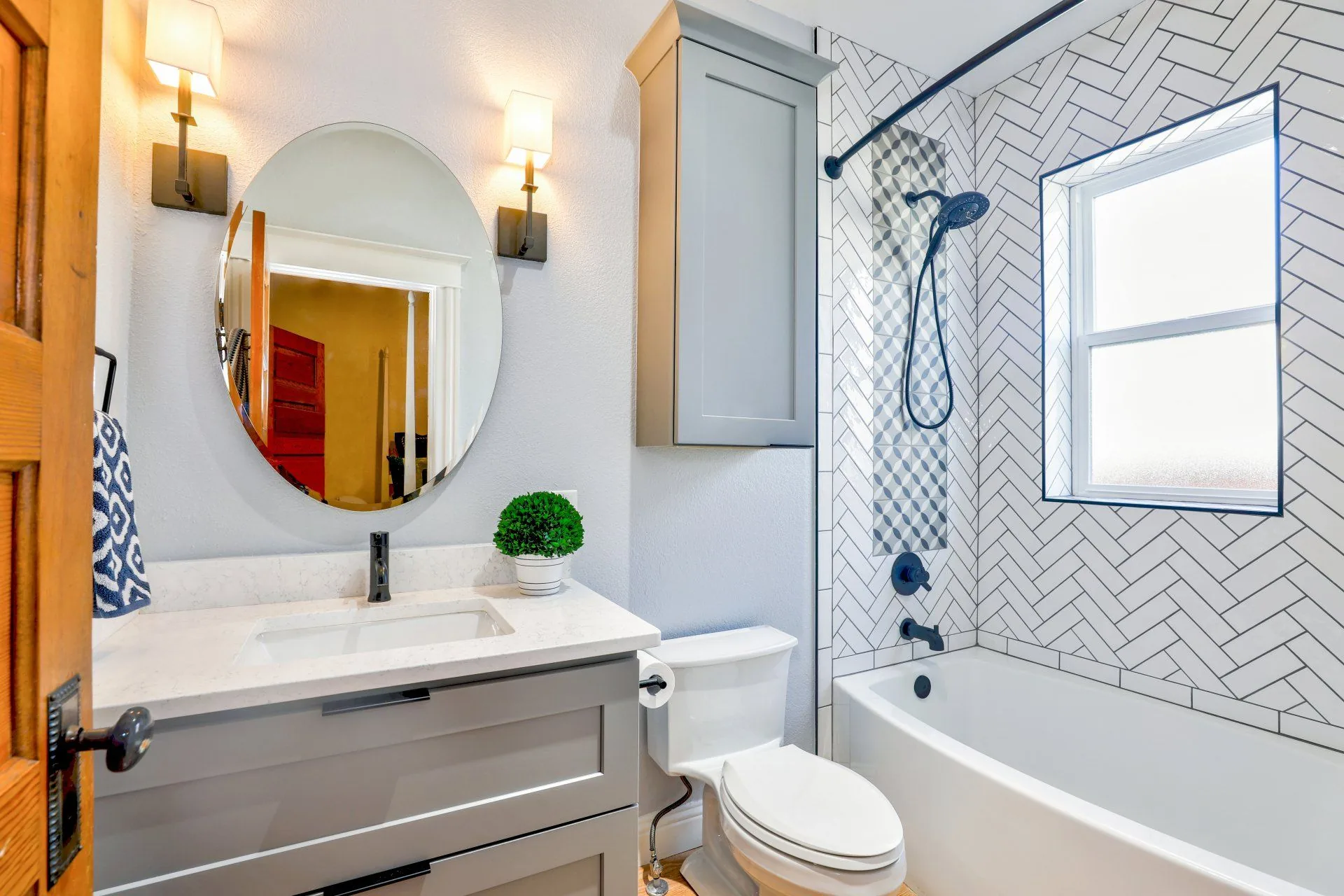
Common Questions
- How long does a shower remodel take?
- One to two weeks for a standard shower. Demo and rebuild take a few days, then waterproofing and thinset need to cure before and after tile goes up. Grout, glass and fixtures land at the end. The shower is out of service the whole time.
- Should I convert my tub to a shower?
- If you have another tub in the house and nobody uses this one, yes. The same footprint makes a roomier shower that is easier to step into. If it is the only tub in the house, keep one somewhere, since buyers with young kids look for it.
- Tile or acrylic shower — which lasts longer?
- Tile, by a wide margin, when it is waterproofed correctly. A good tile shower runs thirty years. A quality acrylic surround runs fifteen to twenty and then looks dated or dulls. Acrylic costs less, installs faster and needs almost no grout maintenance, so it is a fair choice on a budget or a rental.
- Why does my shower leak or the grout keep cracking?
- Usually because there is no waterproofing membrane behind the tile, or the joints that move were grouted instead of caulked. Grout is not waterproof and it cracks when a corner flexes. We open it up, look at what is behind the tile, and tell you whether it is a repair or a rebuild before you spend money on the wrong one.
More Bathroom Services
Full Bathroom Renovation
Take the room back to studs and rebuild it: tile, vanity, plumbing, wiring, drywall and paint.
Learn moreVanity Installation
Old vanity out, new one set level and plumbed the same day, with the top, faucet and drain hooked up.
Learn moreCustom Bathroom Design
We measure the room, talk through layout and materials, and give you a plan you can price before demo.
Learn moreAccessibility Modifications
Curbless showers, grab bars, comfort-height fixtures and wider doorways so the bathroom works long term.
Learn moreReady to start your project?
Tell us what you have in mind. We measure, walk through materials, and give you a straight answer on cost — with no obligation.